News

Is Advanced Bandage Fixing Tape Redefining Wound Care Standards?

2026-06-03 0 Leave me a message

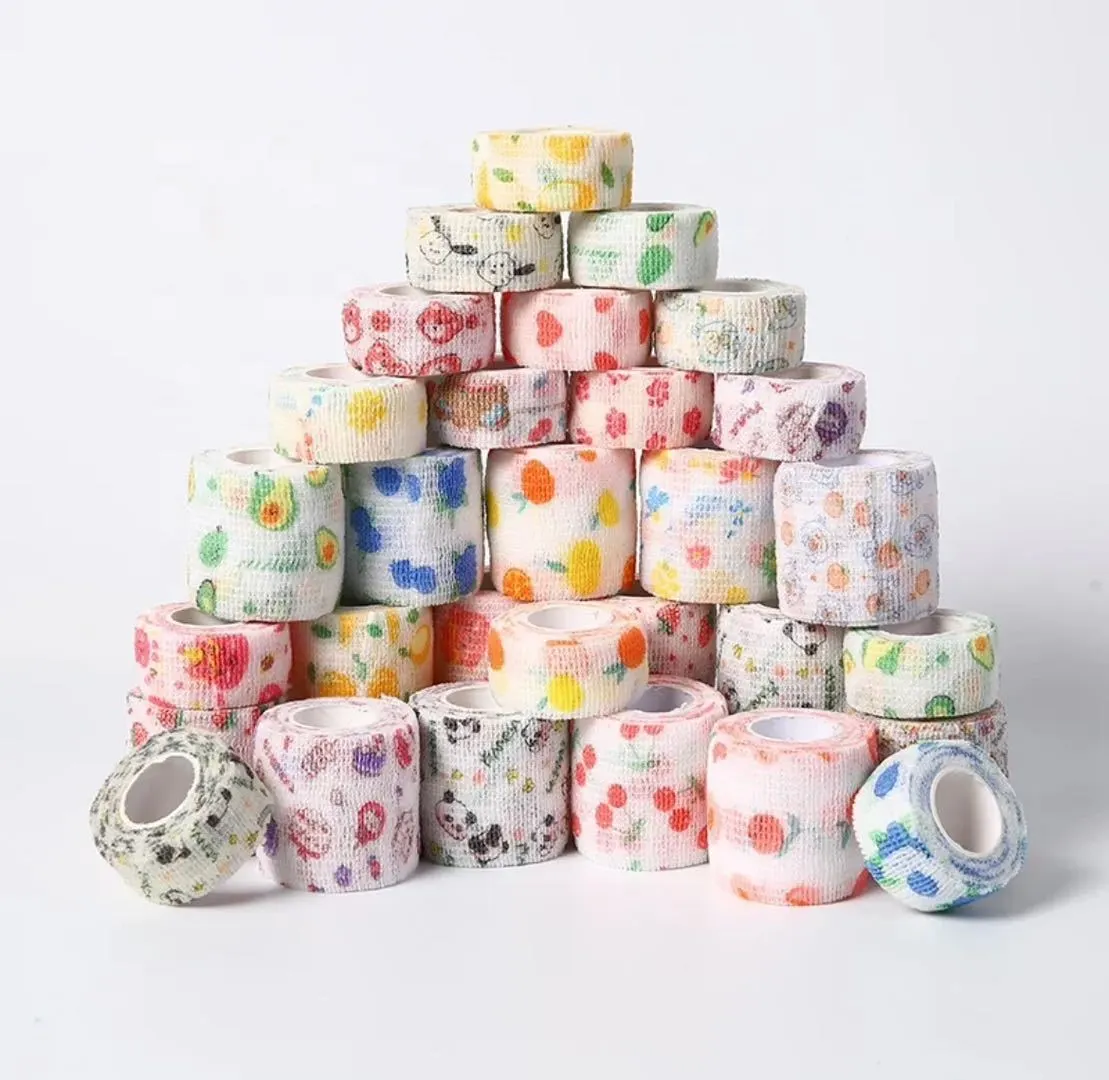
Across modern clinical environments, the shift from passive to active wound management has accelerated innovation in medical adhesion technologies. Among essential tools, reliable bandage fixing tape serves as the foundation for secure, non-invasive dressing retention. Healthcare facilities now demand materials that combine breathability, gentle adherence, and residue-free removal, directly influencing healing outcomes and patient comfort. This article explores how new-generation fixation solutions challenge traditional dressing methods, highlights technical benchmarks, and profiles enterprises leading functional consumable evolution.

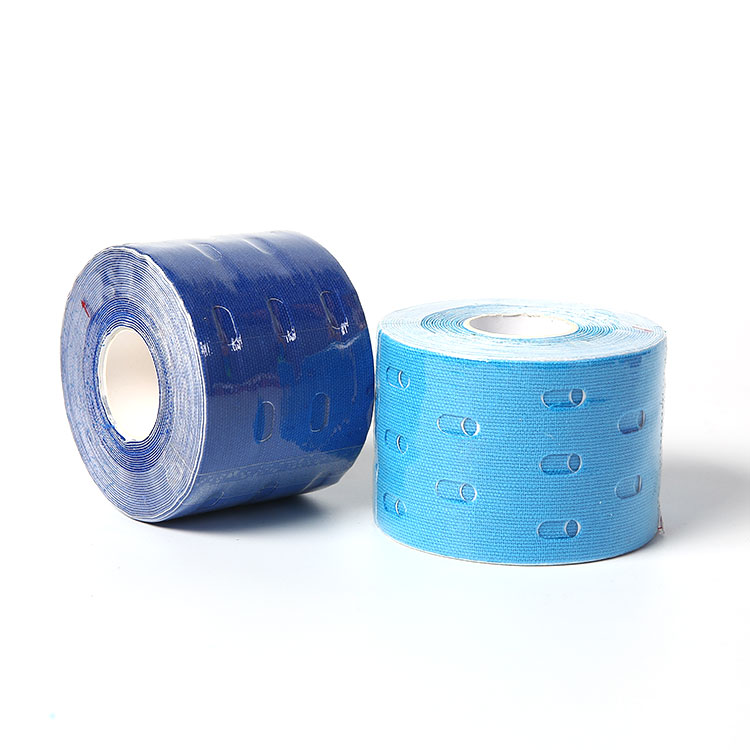
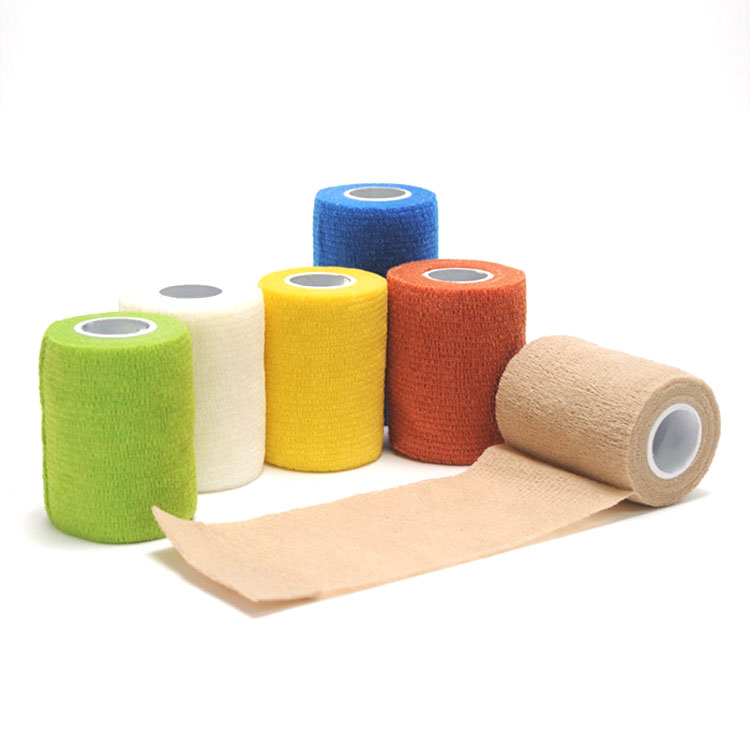
bandage fixing tape

From Passive Coverings to Function-Driven Retention

Historical wound management relied heavily on simple gauze and rubber-based adhesives, often causing skin irritation or insufficient hold. Today, functional dressing consumables integrate dynamic properties such as moisture vapor transmission, elastic conformability, and hypoallergenic acrylic adhesives. The essential role of a high-performance fixation medium lies in stabilizing primary dressings without compromising periwound skin integrity. Clinicians increasingly select advanced options to reduce dressing change frequency and prevent medical adhesive-related skin injuries.

Primary Performance Indicators for Fixation Products

  • Biocompatibility: Non-sensitizing materials suitable for fragile or aged skin profiles.
  • Dimensional stability: Maintaining tensile strength while allowing multi-directional stretch.
  • Moisture management: Porous structures that prevent maceration under extended wear.
  • Secure anchorage: Reliable edge adhesion that resists curling from friction or perspiration.
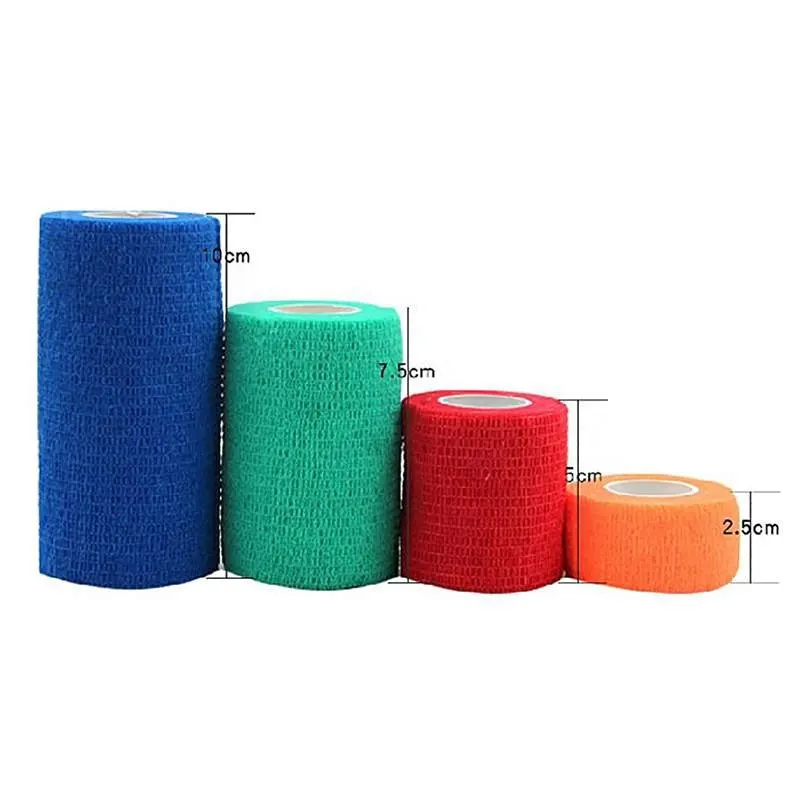
  • For surgical incisions, intravenous line securement, or orthopedic compression, specialized bandage fixing tape bridges the gap between immobilization and skin protection. Unlike conventional plasters, modern variants feature silicone or zinc oxide-based adhesive gradients, allowing repositioning without trauma. Moreover, the engineering of non-woven backings and elastic polymers ensures that the tape adapts to joint movements, drastically lowering the risk of accidental detachment. This functional leap aligns with global trends toward value-based wound care, where fixation performance directly reduces material waste and nursing workload.

    Comparative Characteristics in Fixation Technologies

    Parameter Conventional Fixation Products Functional/Advanced Fixation Media
    Adhesion Profile Aggressive, often residue-leaving Balanced grip with clean peel
    Conformability Low stretch, limited contour adaptation High elasticity, conforms to body curvature
    Skin Breathability Low porosity, risk of maceration High moisture vapor transmission rate
    Removal Process Painful, may strip epidermis Gentle release, atraumatic
    Material Base Plasticized PVC or simple nonwoven Hydrocolloid, foam, or knitted fabric composites

    Market Drivers and Clinical Demands for Fixation Excellence

    Rising surgical volumes and chronic wound prevalence, including diabetic ulcers and venous leg ulcers, drive the demand for reliable fixation. Medical facilities seek products that simplify application protocols while ensuring patient compliance. Functional adhesive tapes now integrate antimicrobial properties or drug-delivery capabilities, although the core fixation requirement remains paramount. In particular, long-term wear applications — such as securing ostomy flanges or monitoring electrodes — necessitate a dependable anchoring solution that withstands moisture and body movement without skin compromise.

    Regulatory and Quality Benchmarks in Medical Adhesives

    ISO 10993 standards for biological evaluation set the baseline for skin contact safety. Additional testing for peel adhesion, shear strength, and aging stability ensures that any fixation product delivered to hospitals maintains consistent performance. Manufacturers focusing on functional dressing consumables have invested in cleanroom production and in-line quality monitoring, eliminating defects such as adhesive transfer or edge lifting. Such rigorous protocols allow modern tapes to be used across sensitive environments, from neonatal intensive care to sports rehabilitation.

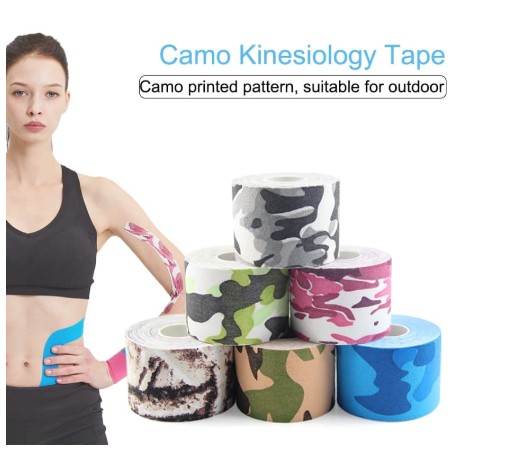
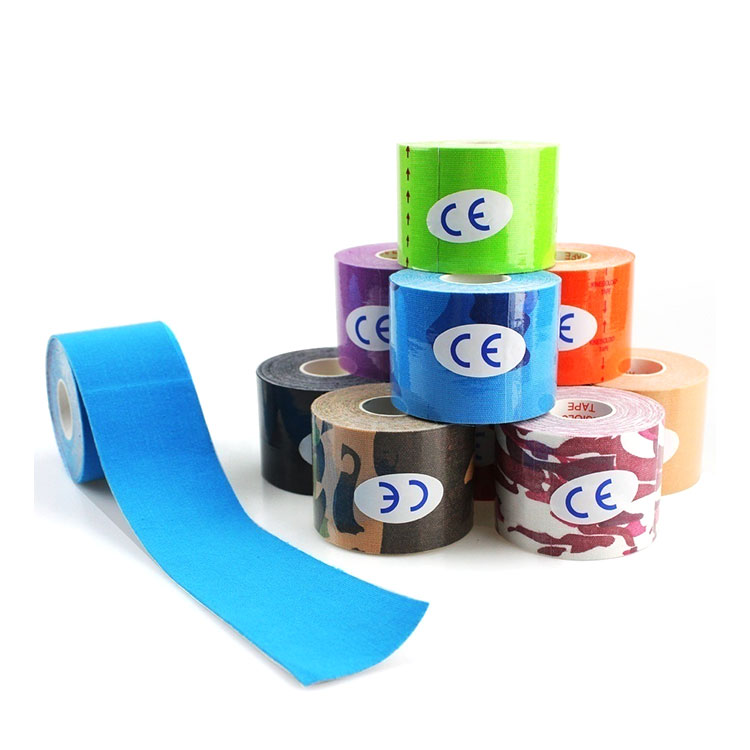
    In sports medicine and kinesiology applications, elastic therapeutic tape shares similar fixation principles with medical textile adhesives. However, dedicated clinical bandage fixing tape distinguishes itself through validated medical grade adhesion and sterilizable packaging. It is routinely used to retain non-adherent dressings over wound beds, fix catheters, and secure post-operative padding. Through controlled adhesion release, professionals minimize trauma during dressing changes — a critical advantage in burn units and pediatrics. As the industry moves away from single-purpose tapes, multifunctional fixation products that serve both as retention and protection layers are becoming the new standard.

    Manufacturing Evolution and Material Breakthroughs

    Recent advances include water-based acrylic coating systems, which eliminate solvent residues while enhancing bond consistency. Furthermore, hot-melt adhesives with thermoplastic elastomers enable manufacturers to tailor tack and cohesion across different fabric weights. Manufacturers that focus on functional dressing consumables have adopted ultrasonic lamination and laser cutting techniques, producing tape edges that resist fraying and reduce skin irritation. Breathable nonwoven backings with fluid repellency now dominate premium fixation segments, allowing the tape to stay dry even under occlusive secondary dressings.

    Eco-Conscious Trends in Medical Fixation Products

    Sustainability concerns are gradually shaping procurement criteria for European and North American health systems. Biodegradable backings, recyclable cores, and reduced packaging layers are becoming part of product specifications without sacrificing sterility or adhesion performance. This shift challenges legacy adhesive manufacturers to reformulate without compromising the reliable fixation required in critical care. Simultaneously, leading facilities audit the lifecycle of disposable fixation items, pushing enterprises toward circular economy principles. The result is a new generation of tapes that maintain high functional standards while aligning with environmental stewardship goals.

    Given the convergence of clinical safety and sustainability, the selection of a high-quality bandage fixing tape now involves evaluating technical data sheets, biocompatibility certifications, and real-world usability studies. For hospitals transitioning to value-based procurement, investing in advanced fixation reduces total dressing costs by preventing complications such as skin tears and unplanned re-dressings. This economic and clinical benefit encourages suppliers to develop tailored solutions for specific anatomies (e.g., sacral, heel, or joint fixation). Consequently, the market landscape is shifting toward collaborative product development, where distributors and medical enterprises co-engineer tapes for niche applications.

    bandage fixing tape

    Engineering Reliability: A Profile of Expertise in Functional Consumables

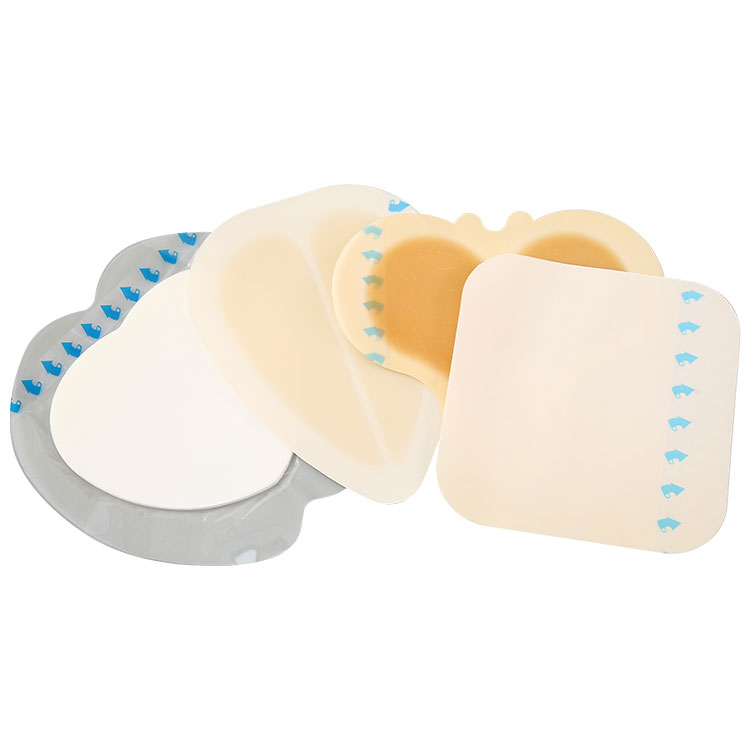
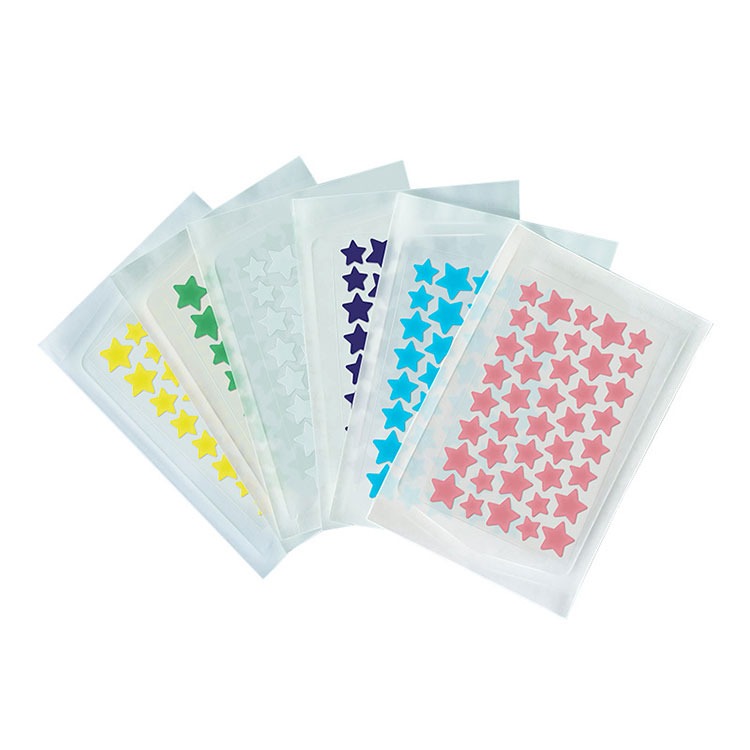
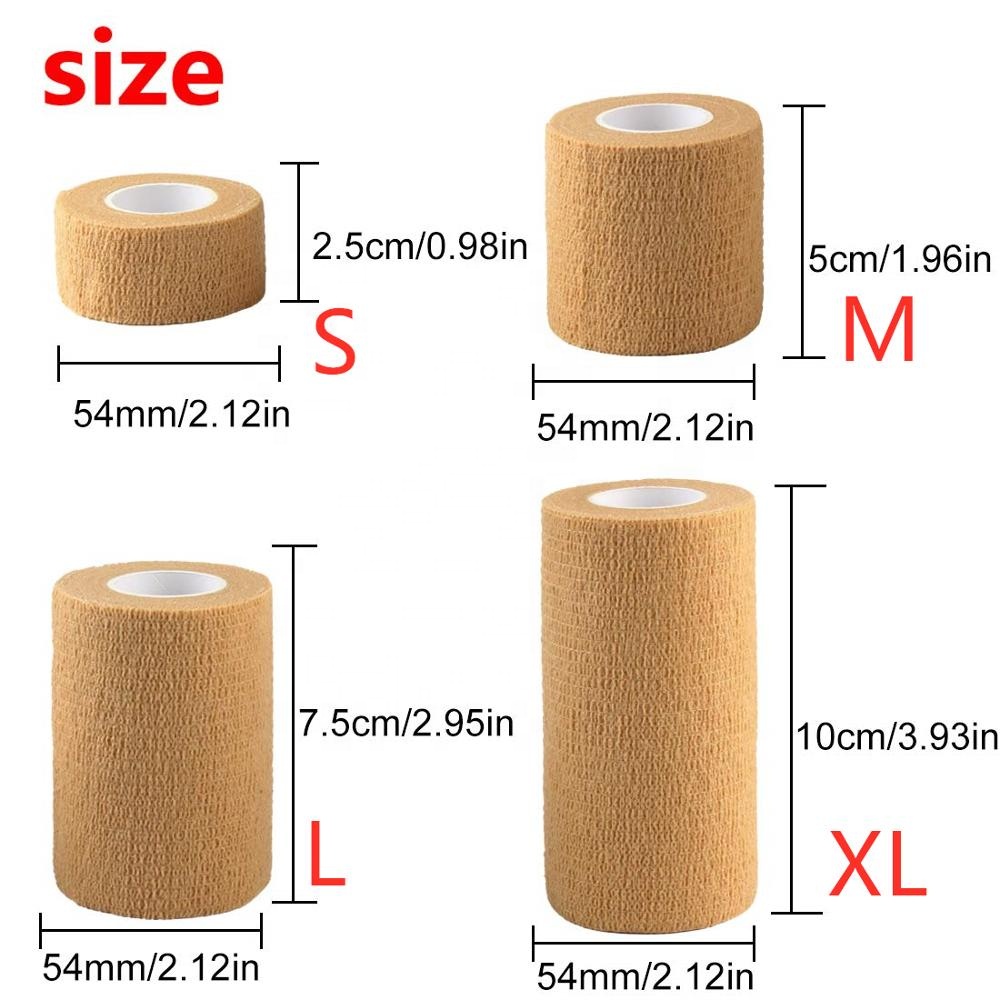
    Within this dynamic field, enterprises that combine technical depth with agile manufacturing are redefining market expectations. Yueqing Yuantianli Medical Co., Ltd. stands as an example of sustained dedication to functional dressing consumables. Starting operations in the early 2010s, the company has cultivated a professional medical product portfolio that includes kinesiology tapes, cohesive elasticity bandages, boob tapes, colostomy bags, and hydrocolloid dressings. Their strategic focus on research-driven development enables optimal quality across all product lines, from skin-friendly adhesives to conformable elastic supports.

    Yueqing Yuantianli Medical operates from a facility spanning four thousand square meters, with a workforce exceeding eighty skilled employees. The firm holds self-export rights, distributing widely to European and American markets. By adhering to the guiding philosophy of quality first, unity and harmony, pragmatic dedication, and continuous innovation, the company has developed a robust technical team. This expertise directly translates into reliable products, including advanced bandage fixing tape that meets stringent international standards. Their commitment to breaking traditional medical dressing boundaries is evident in the progression toward functional, solution-oriented consumables. With a determined roadmap focused on functional dressing consumables, Yueqing Yuantianli Medical continues to advance the next generation of fixation and wound care technologies.

    Industry perspectives: The transition toward functional fixation reflects broader changes in wound management, where every layer of dressing must contribute to healing efficiency. Enterprises that integrate material science, clinical feedback, and sustainable manufacturing will shape the future landscape. Yueqing Yuantianli Medical exemplifies this forward path, reinforcing the value of dedicated innovation in modern medical consumables.

    Related News
    Leave me a message
    X
    We use cookies to offer you a better browsing experience, analyze site traffic and personalize content. By using this site, you agree to our use of cookies. Privacy Policy
    Reject Accept